Unlock Your Gut Power: The Surprising Benefits of Resistant Starch
Resistant starch, a unique type of carbohydrate, bypasses digestion in the small intestine to feed beneficial gut bacteria. This often-overlooked nutrient acts as a powerful prebiotic, offering impressive, data-backed benefits for gut health, blood sugar control, and even weight management.
Unlock Your Gut Power: The Surprising Benefits of Resistant Starch
Resistant starch, a unique type of carbohydrate, bypasses digestion in the small intestine to feed beneficial gut bacteria. This often-overlooked nutrient acts as a powerful prebiotic, offering impressive, data-backed benefits for gut health, blood sugar control, and even weight management.
What is Resistant Starch? Your Gut's Secret Weapon
Unlike most carbohydrates that are broken down into glucose and absorbed in your small intestine, resistant starch (RS) gets its name because it resists digestion. Instead, it travels largely intact to your large intestine, where it becomes a feast for your beneficial gut microbes. Think of it as a super-fiber with a unique superpower. There are several types of RS found in foods like unripe bananas, cooked and cooled potatoes or rice, legumes, and whole grains. This fermentation process is where the magic truly begins.
Fueling Your Gut Microbiome: The SCFA Superpower
When your gut bacteria ferment resistant starch, they produce vital compounds called Short-Chain Fatty Acids (SCFAs), with butyrate being the most well-known. Research consistently highlights butyrate's critical role in gut health; it's the primary energy source for your colon cells, strengthening the gut barrier, reducing inflammation, and potentially even protecting against colon cancer (Hamer et al., 2008). A healthy gut microbiome, fueled by RS, is linked to improved immunity and better overall well-being.
Stabilizing Blood Sugar and Boosting Insulin Sensitivity
One of the most compelling benefits of resistant starch is its impact on metabolic health. Studies have shown that consuming resistant starch can significantly reduce post-meal blood sugar spikes and improve insulin sensitivity (Robertson et al., 2005). This effect isn't just immediate; regular intake of resistant starch can lead to sustained improvements in how your body handles glucose, which is crucial for preventing and managing conditions like type 2 diabetes. It slows down the release of glucose into the bloodstream, offering a steadier energy supply.
Satiety, Weight Management, and Beyond
Beyond its profound effects on gut and metabolic health, resistant starch can play a role in weight management. Like other forms of fiber, RS increases feelings of fullness, potentially leading to reduced calorie intake. Furthermore, the SCFAs produced from RS fermentation may influence appetite-regulating hormones and promote fat oxidation (De Filippo et al., 2010). Incorporating RS into your diet can be a simple, effective strategy to support a healthy weight and overall digestive regularity.
Actionable Tips to Boost Your Resistant Starch Intake:
- Embrace "Cool" Carbs: Cook starchy foods like potatoes, rice, and pasta, then cool them in the fridge overnight before eating. This process (retrogradation) significantly increases their resistant starch content.
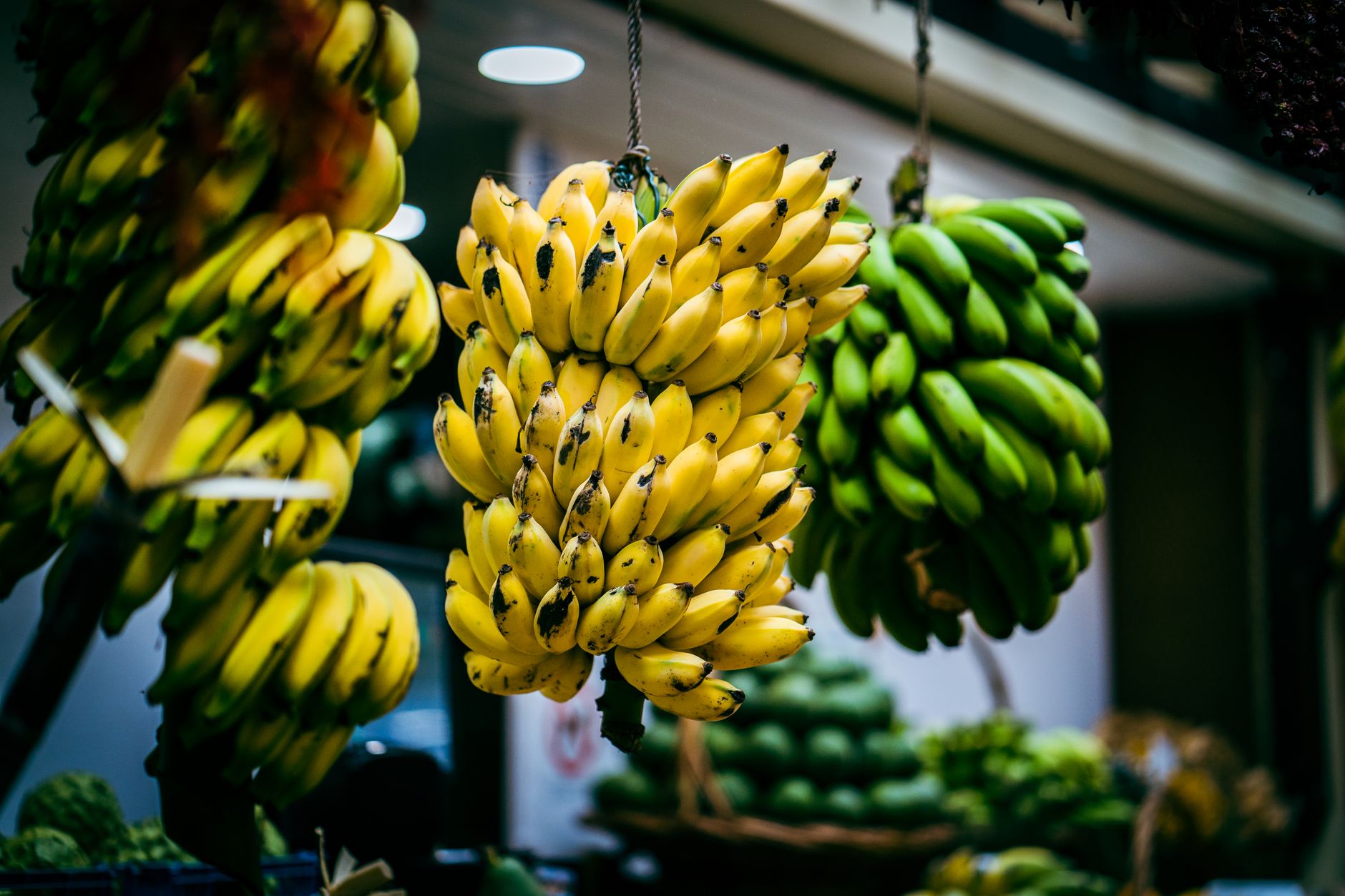
- Go Green (Bananas): Snack on slightly unripe (still green-tinged) bananas or blend them into your morning smoothies.
- Legumes Are Your Friends: Regularly incorporate beans, lentils, and chickpeas into your meals. They're excellent sources of RS.
- Oats for Breakfast: Start your day with rolled oats, especially if prepared as overnight oats.
- Don't Overcook: Aim for slightly al dente when cooking starches to preserve their resistant starch structure.
References:
- Hamer, H. M., et al. (2008). The influence of butyrate on the intestinal barrier: a novel role for a luminal nutrient. Gastroenterology, 134(1), 398-403.
- Robertson, M. D., et al. (2005). Insulin-sensitizing effects of resistant starch and effects on postprandial lipid, glucose and insulin responses in men. British Journal of Nutrition, 93(6), 859-865.
- De Filippo, C., et al. (2010). Impact of diet in shaping gut microbiota revealed by a comparative study in children from Europe and rural Africa. Proceedings of the National Academy of Sciences, 107(33), 14691-14696.