Sulforaphane: Your Cellular Detox & Defense Superhero
Discover sulforaphane, a powerful plant compound found in cruciferous vegetables that acts as a cellular superhero. Backed by extensive research, sulforaphane actively supports your body's detoxification pathways, boosts antioxidant defenses, and promotes overall cellular health, offering a robust shield against environmental stressors.
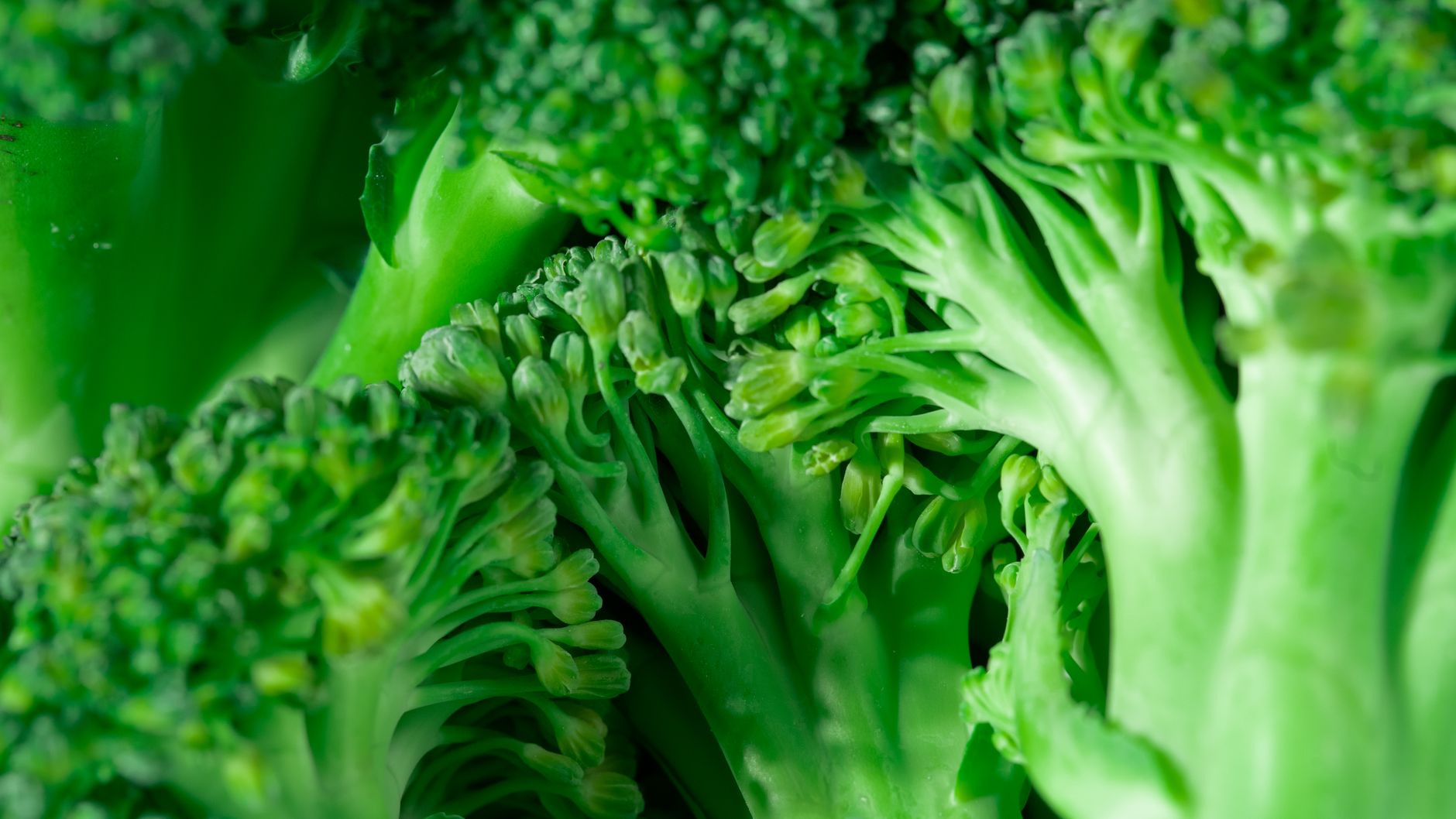
Sulforaphane: Your Cellular Detox & Defense Superhero
As a world-class nutrition researcher, I'm always on the hunt for compounds that offer significant, data-backed health benefits. Today, let's dive into sulforaphane, a remarkable compound primarily found in cruciferous vegetables that deserves a spotlight in your diet.
Sulforaphane is an isothiocyanate, formed when an enzyme called myrosinase converts glucoraphanin (a glucosinolate) into its active form. This reaction happens when raw cruciferous vegetables are chewed, cut, or blended, making foods like broccoli sprouts incredibly potent sources.
The Nrf2 Pathway: Your Inner Antioxidant Maestro
One of sulforaphane's most profound effects is its ability to activate the Nrf2 pathway. Think of Nrf2 as the master switch for your body's internal antioxidant and detoxification systems. When activated, Nrf2 upregulates hundreds of genes responsible for producing powerful endogenous antioxidants like glutathione, as well as Phase 2 detoxification enzymes. A 2009 review in Free Radical Biology and Medicine highlighted sulforaphane's potent ability to combat oxidative stress and inflammation by modulating this pathway, far beyond the capabilities of many direct antioxidants.
Boosting Your Body's Detoxification Power
Our bodies are constantly exposed to toxins from food, environment, and metabolism. Sulforaphane is a superstar in supporting your liver's detoxification processes. Research, including studies published in Carcinogenesis, shows that sulforaphane significantly enhances the activity of Phase 2 detoxification enzymes. These enzymes are crucial for neutralizing harmful compounds and facilitating their excretion from the body, essentially giving your detox organs a powerful assist.
Beyond Antioxidants: Cellular Protection & Longevity
The benefits extend beyond simple detoxification. Emerging research suggests sulforaphane may play a role in promoting cellular longevity and protecting DNA. Its influence on gene expression, inflammation, and cellular stress responses indicates broader protective effects against various chronic diseases. While more human studies are always underway, the consistent findings in laboratory and animal models point towards sulforaphane as a key player in maintaining robust cellular health and resilience.
How to Harness Sulforaphane's Power: Actionable Tips
Want to supercharge your diet with sulforaphane? Here's how:
- Embrace Broccoli Sprouts: These tiny powerhouses are the most concentrated source of sulforaphane precursors. Add a handful to salads, sandwiches, or smoothies daily.
- Properly Prepare Cruciferous Veggies: Lightly steam (3-5 minutes) or stir-fry vegetables like broccoli, cabbage, and kale to preserve myrosinase. Overcooking destroys the enzyme.
- "Chop and Wait" Technique: Chop cruciferous vegetables 30-45 minutes before cooking or eating them raw. This allows more sulforaphane to form before heat deactivates myrosinase.
- Pair with Myrosinase Sources: If cooking your cruciferous veggies thoroughly, add a sprinkle of raw mustard seed powder or a dollop of raw mustard to your meal. These contain myrosinase and can help convert remaining glucoraphanin into sulforaphane in your gut.
- Consider Quality Supplements (Consult a Pro): If dietary intake is challenging, high-quality sulforaphane or glucoraphanin supplements are available. Always discuss with a healthcare professional before starting any new supplement regimen.
By strategically incorporating sulforaphane-rich foods into your diet, you're not just eating healthy – you're actively empowering your cells to detoxify, defend, and thrive.